

No-drill picture hanging works best when it is treated like a surface-prep project, not a shortcut. The frame, wall texture, paint condition, humidity, and strip rating all matter before the picture ever touches the wall.
The useful starting point is a compact plan: one purpose, one small setup, one weekly reset. That keeps the article practical for a reader who wants help today rather than a full renovation plan.
This approach also keeps the project honest. A reader can finish one useful change, notice what actually improved, and avoid turning a simple home decision into a stack of unused products.
Why this setup works
A beginner guide works better when it names the tradeoff early. The right first setup is usually smaller than the reader imagined, but it is also easier to finish, easier to clean up, and easier to improve later.
Before choosing adhesive strips, compare the frame size and weight against Command’s official product instruction and weight-limit guide; the product rating is part of the setup, not a detail to check later.
Start with the frame, not the wall
Weigh the frame if you are unsure, check whether the back is flat, and avoid guessing with mirrors, glass-heavy art, or anything valuable. Adhesive products are best for predictable, lightweight pieces.
Prepare the surface slowly
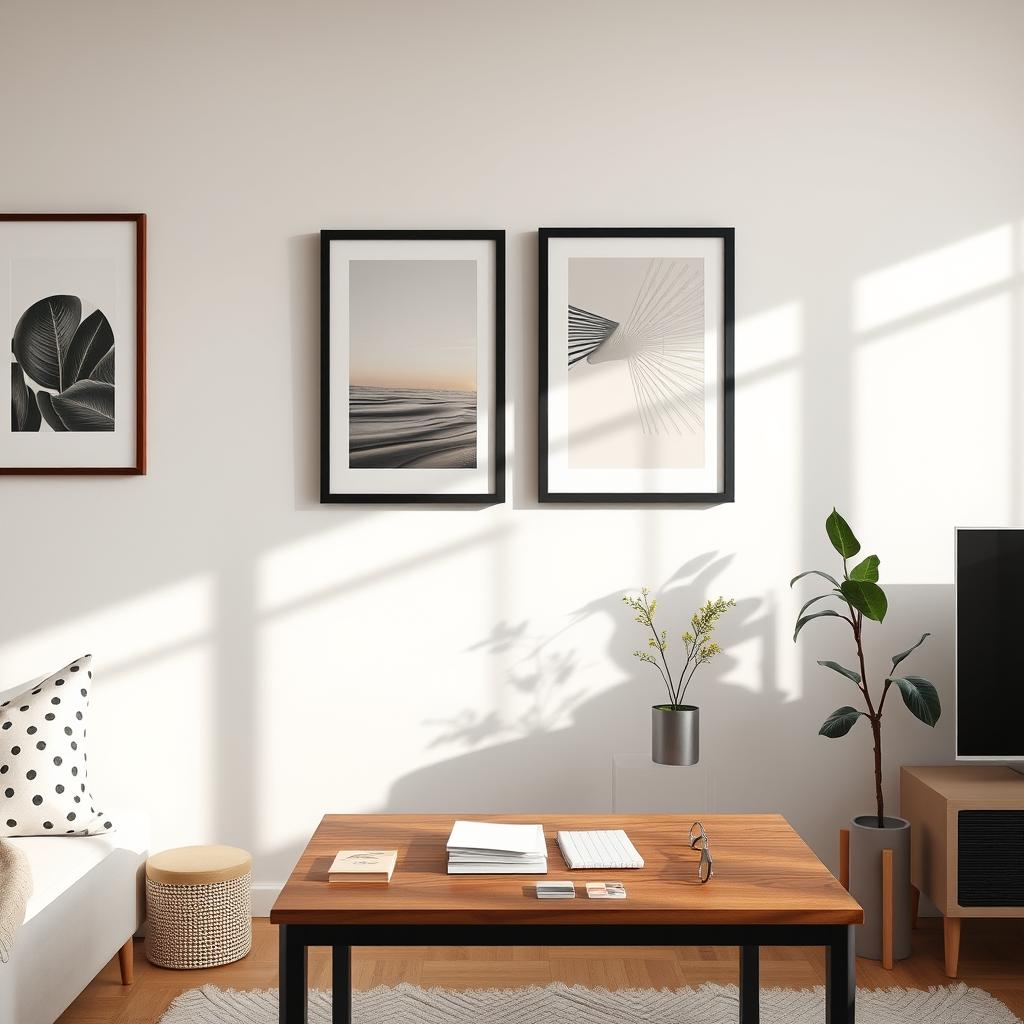
A smooth, clean, dry surface gives removable products their best chance. Skip dusty texture, peeling paint, wallpaper, fabric, brick, and surfaces the product specifically excludes.
Plan removal on day one
The cleanest no-drill setup is one you can remove without panic. Leave the tab accessible when the product requires it and photograph the setup before covering anything with a frame.
Practical setup checklist
Before you buy anything
Pause long enough to check the boring details: the surface, the size, the weight, the light, the access path, and the cleanup routine. Most beginner frustration comes from skipping one of those details and then trying to force the setup to work anyway.
- Define the job: write down what this area or product is supposed to make easier.
- Measure before buying: check width, depth, height, clearance, weight, cord reach, light, or drainage before choosing gear.
- Read the instructions: product limits and exclusions matter more than a clean inspiration photo.
- Leave margin: a setup packed to the edge is harder to maintain than one with a little empty space.
- Reset weekly: a short recurring reset prevents the system from turning into a storage pile.
After the first week
Use the first week as a field test. If one step keeps getting skipped, simplify that step. If one item never returns to its assigned place, move the home closer to where the item is actually used. A good beginner system improves through small edits instead of one dramatic overhaul.
Pros and Cons
Rental-friendly when matched correctly
The right product can avoid holes for light decor.
Easy to test one frame at a time
You can start small before committing to a full gallery wall.
Move-out planning is built in
Removal is considered before installation.
Not for every surface
Texture, old paint, wallpaper, and fabric can make adhesive unreliable.
Weight limits are strict
A heavy frame needs hardware, not optimism.
Frequently Asked Questions
Can I use more strips for a heavier frame?
Only within the manufacturer’s instructions. Do not turn a light-duty product into a heavy-duty hanger by guessing.
How long should I wait before hanging?
Follow the product instructions exactly; many adhesive systems need firm pressure and waiting time before loading.
Are no-drill hooks safe for mirrors?
Small lightweight mirrors may have approved products, but heavy mirrors usually need proper hardware.
Final Thoughts
How to Hang Pictures Without Nails: A Beginner’s No-Drill Guide should feel calm, repeatable, and honest about limits. Start with one useful change, keep the setup easy to reset, and let the next improvement come from what you learn in daily use.
The quiet advantage of this method is that it gives readers a practical stopping point. Once the first setup works for a normal week, they can repeat the same thinking in another area instead of starting from scratch.