Rolling cart vs wall shelf decisions look simple until you think like a renter. Both can add storage, but they ask very different things from your space. A rolling cart needs floor room and a clear path. A wall shelf needs a reliable mounting method, a suitable surface, and permission to leave the wall in the same condition later.
The better choice is not the one that looks best in a photo. It is the one that fits the load, the room, the lease, and your move-out plan. If you are storing heavy bottles, daily kitchen items, tools, or anything breakable, a cart may be the calmer answer. If you need a narrow landing spot for lightweight decor or small objects and you are allowed to mount properly, a shelf can work, but it deserves more caution.
Why This Matters
Renters often choose storage under pressure: a bathroom counter is crowded, the entryway has no drop zone, or a small kitchen has one awkward empty wall. That is when a wall shelf feels tempting. It uses vertical space and keeps the floor clear. But shelves also concentrate weight in one place, and no-drill versions depend on adhesives, brackets, clamps, or surface conditions that may not suit every wall.
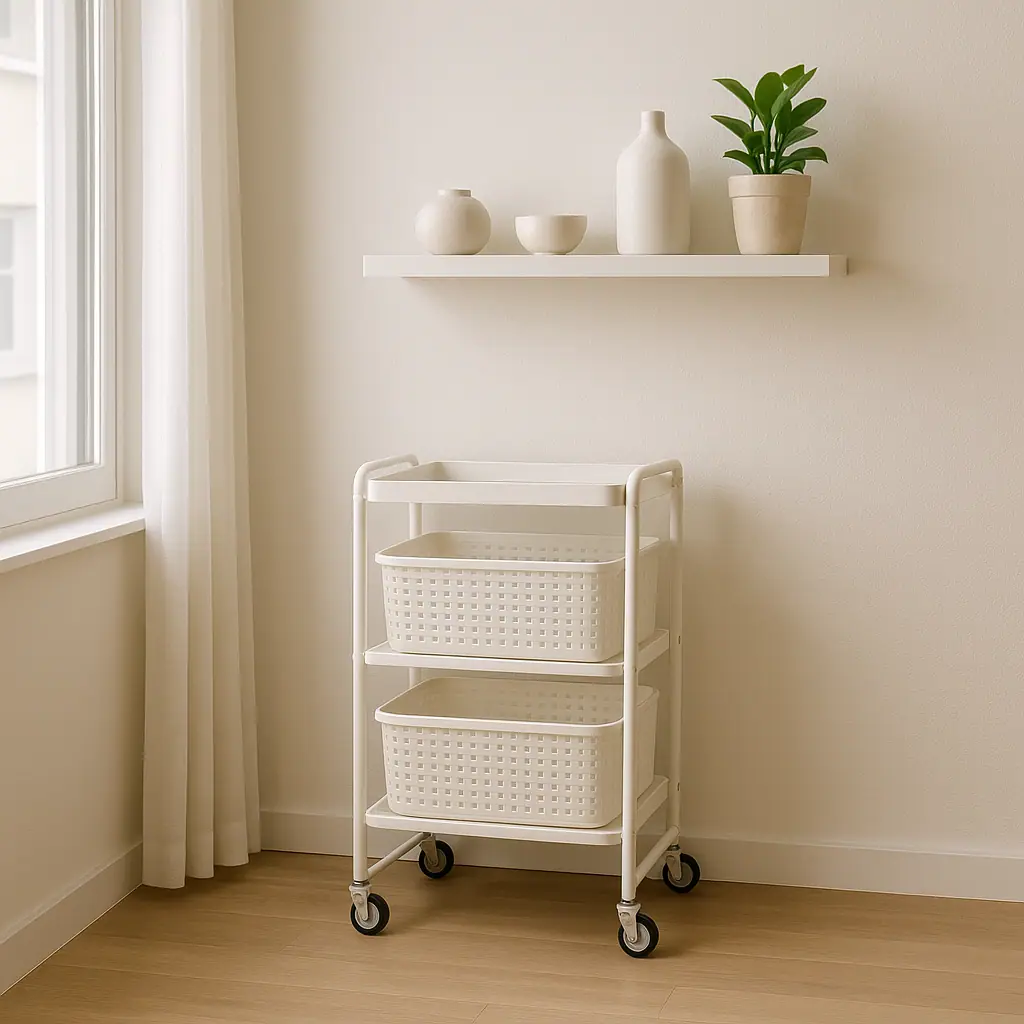
A rolling cart usually spreads weight across its frame and wheels. It can move for cleaning, move-out, or a room change. The tradeoff is that it takes floor space and can look messy if every tier becomes a catch-all. A wall shelf uses no floor space, but it asks for more confidence in the wall, hardware, installation, and lease rules.
Start With Lightweight Storage and Organization
Before comparing products, decide what the storage needs to hold. The lighter, flatter, and more decorative the items are, the more a wall shelf may make sense. The heavier, wetter, taller, or more frequently handled the items are, the more a rolling cart starts to look safer.
Good rolling cart jobs
- Kitchen overflow: snacks, tea, coffee supplies, light pantry backups, or cooking tools that need to move around.
- Bathroom extras: towels, hair tools, skincare, and backup products when the cart can stay away from direct water.
- Office supplies: notebooks, chargers, printer paper, and small desk items that shift between rooms.
- Entryway staging: hats, bags, dog-walk supplies, or packages that need a landing zone without wall holes.
Good wall shelf jobs
- Light display: small frames, a tiny plant pot, a candle holder without flame use, or a decorative bowl.
- Low-contact storage: items you do not grab several times a day.
- Narrow clearances: spots where a cart would block a door, walkway, or cabinet.
- Purpose-built shelves: properly rated products installed exactly as directed on an approved surface.
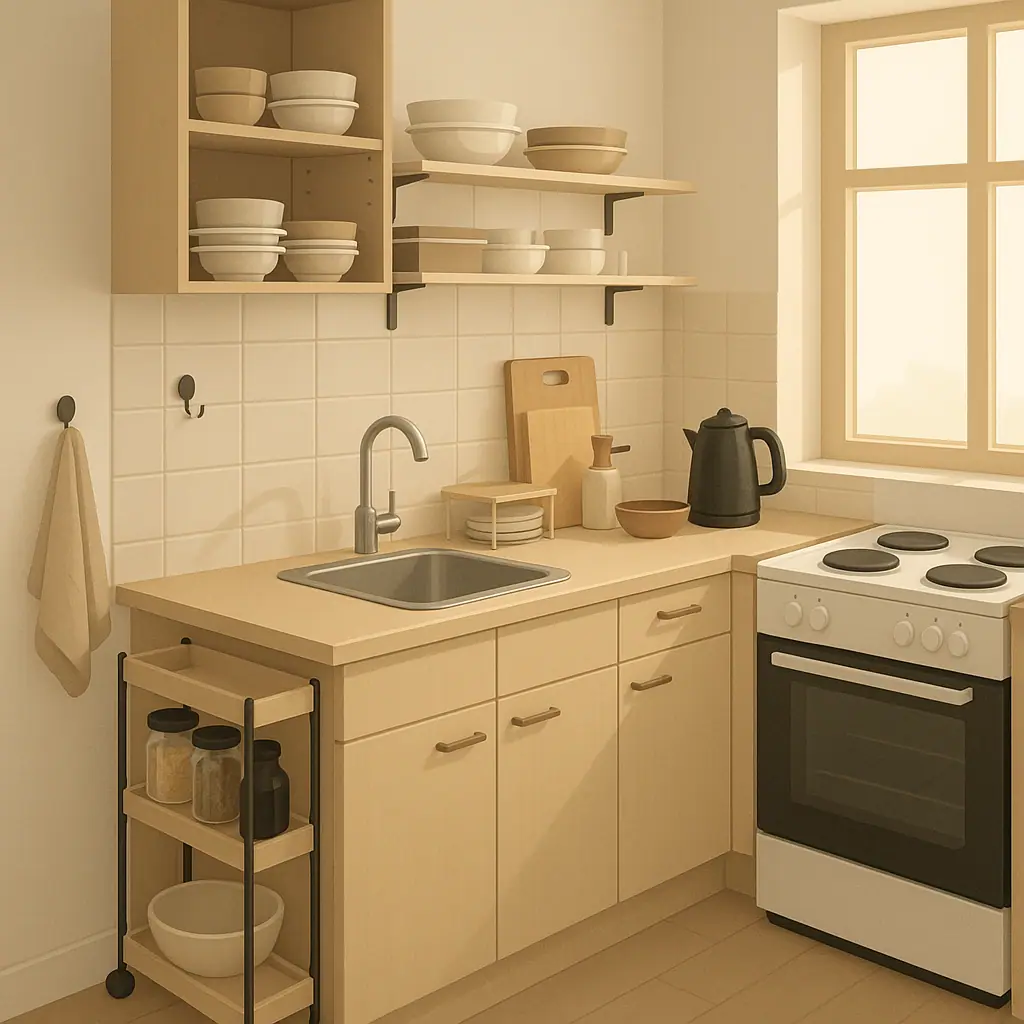
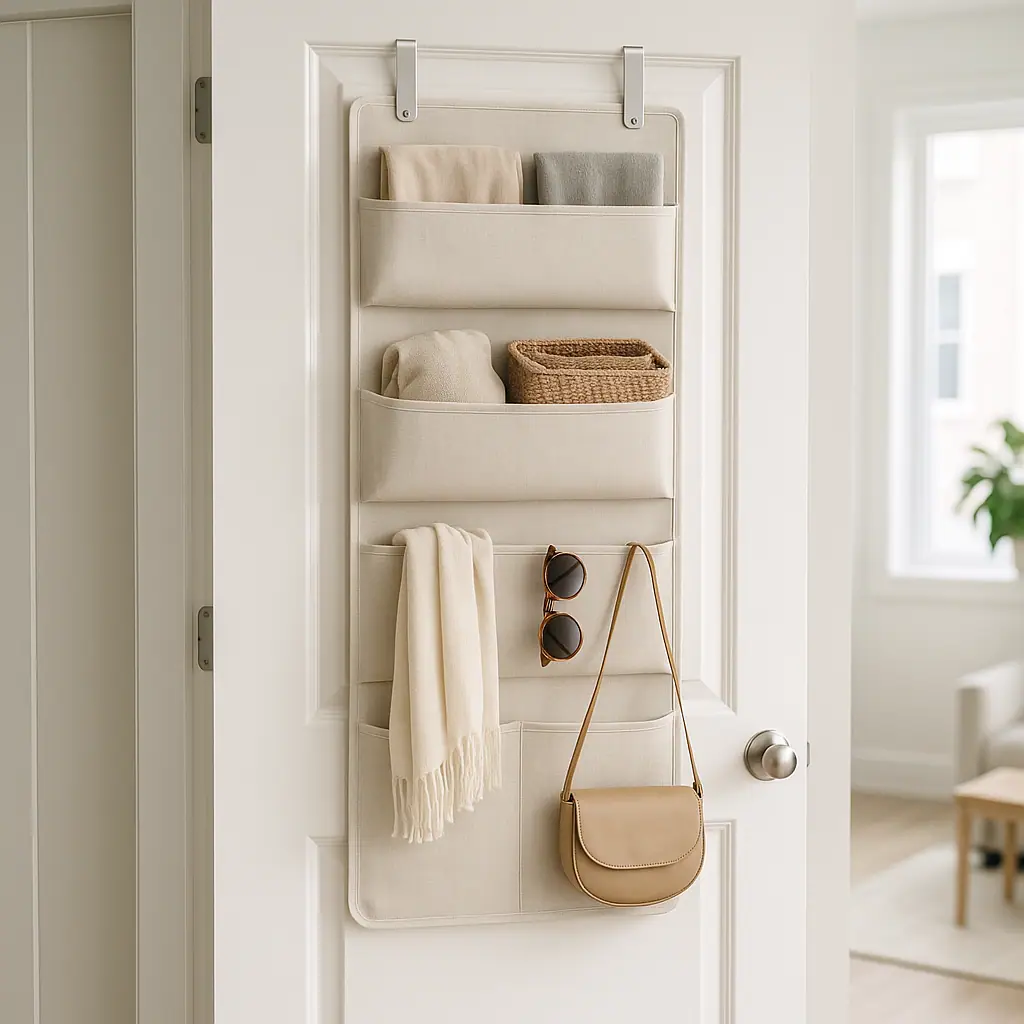
If your main problem is kitchen clutter, compare this decision with no-drill kitchen storage ideas for small apartments. Some rooms need a cart, but others only need a drawer bin, an over-door organizer, or a simpler counter reset.
What to Check First for Rolling Cart vs Wall Shelf: The Better Choice for Renters
Start with four checks: load, surface, traffic, and permission. These checks keep the decision practical instead of purely decorative.
Check the load
List the actual items you want to store, then separate them into light, moderate, and heavy groups. Heavy bottles, glass containers, appliances, books, cleaning supplies, and tools are rarely ideal for adhesive or lightweight wall storage. They usually belong on a cart, in a cabinet, or on a freestanding shelf.
Check the surface
A shelf is only as good as its surface and installation method. Painted drywall, tile, brick, textured walls, old paint, laminate, and plaster all behave differently. If you are considering adhesive accessories around the shelf area, verify the exact manufacturer directions first. Command publishes product guidance, how-to pages, and weight-limit resources on the Command brand website, which is a useful reminder to check approved surfaces, ratings, and removal steps instead of guessing.
That does not mean every adhesive product is right for every rental. Use the instructions for the exact product in your hand, and do not treat a package rating as permission to hang heavier or more valuable items than the surface can reasonably handle.
Check traffic and clearance
A cart needs room to roll, but a shelf needs room for people not to bump it. Look at door swings, cabinet doors, chair backs, shower curtains, closet access, and everyday walking paths. A cart in a hallway can become annoying. A shelf near shoulder height can become a bump risk. The better choice should make the room easier to use, not just more styled.
Check the lease side
Lease language matters. Some rentals allow small holes if repaired, some ban adhesive products, and some require approval for mounted storage. For general U.S. housing and tenant-resource direction, USA.gov's housing help page points readers toward rental and tenant-rights resources. Your own lease, local rules, and property manager still decide what is allowed in your unit.
How to Handle Rolling Cart vs Wall Shelf: The Better Choice for Renters Step by Step
Use this simple process before buying either option. It helps you choose once instead of returning products or repairing a wall later.
Step 1: Measure the storage zone
Measure width, depth, height, and nearby clearances. For a cart, include the handle, wheels, and space needed to pull it out. For a shelf, include the object height above the shelf and the distance from doors, windows, switches, vents, and furniture.
Step 2: Weigh or estimate the real load
Do not estimate from memory if the items are heavy. A few books, glass jars, or cleaning bottles can become heavier than expected. A cart is usually more forgiving because the load sits on a frame. A shelf needs a much more conservative margin.
Step 3: Choose the safer default
If you are unsure, start with a rolling cart or another freestanding option. It is easier to move, test, and remove. A wall shelf becomes more reasonable when the load is light, the surface is known, the product instructions match your wall, and the lease does not create a problem.
Step 4: Test the daily routine
Before committing, mimic the movement. Open the door. Pull out the chair. Walk through the room with laundry or groceries. Reach for the items you plan to store. The right choice should stay out of the way during normal use.
Step 5: Plan removal before setup
Ask how you will undo it. A cart needs a storage or resale plan. A shelf needs a patching, removal, or inspection plan. If removal feels uncertain before installation, pause and choose a lower-risk setup.
Common Lightweight Storage and Organization Mistakes to Avoid
The most common mistake is using a wall shelf to solve a cart problem. A shelf can look cleaner on day one, but if it holds heavy everyday items, it may become stressful. The second mistake is buying a rolling cart without checking where it will park. A cart that blocks a cabinet or doorway quickly becomes clutter on wheels.
- Ignoring loaded weight: judge the setup after the items are on it, not when it is empty in the store.
- Choosing height for looks only: shelves should not sit where people bump them or where items can fall onto a work surface.
- Using adhesives beyond their comfort zone: weight limits, surfaces, paint age, humidity, and removal steps all matter.
- Forgetting move-out: the easiest storage today may still be the wrong choice if it creates repair work later.
- Letting carts become junk zones: assign each tier a purpose so the cart does not turn into a rolling pile.
A Simple Checklist
Use this quick checklist when you are stuck between a rolling cart and a wall shelf:
- Choose a rolling cart if: the items are heavy, frequently used, wet, tall, breakable, or likely to change rooms.
- Choose a rolling cart if: your lease or wall condition makes mounting uncertain.
- Choose a rolling cart if: you need storage that can move for cleaning, guests, or move-out.
- Choose a wall shelf if: floor space is tight and the items are genuinely lightweight.
- Choose a wall shelf if: the product, surface, weight rating, and lease rules all line up clearly.
- Choose a wall shelf if: the shelf will hold low-contact items, not daily heavy supplies.
- Pause if: you are relying on hope, vague product claims, or a surface you have not checked.
Pros and Cons
More forgiving for renters
A cart does not depend on wall condition, adhesive performance, or landlord approval in the same way a mounted shelf can.
Easy to move and test
You can try a cart in the kitchen, bathroom, office, or entryway before deciding where it belongs.
Better for heavier everyday items
Products, bottles, tools, paper goods, and supplies usually feel calmer on a stable freestanding frame than on a questionable wall shelf.
Needs more verification
A shelf requires confidence in the surface, product rating, installation method, and lease rules before it becomes renter-friendly.
Can create wall or safety problems
If the shelf is overloaded or installed on the wrong surface, it can pull paint, drop items, or leave damage to repair.
When to Get Extra Help
Ask for help before mounting anything near plumbing, electrical fixtures, tile you do not own, old plaster, fragile paint, or a shared wall with unclear rules. Also ask if the shelf would hold items that could injure someone or create a mess if they fell.
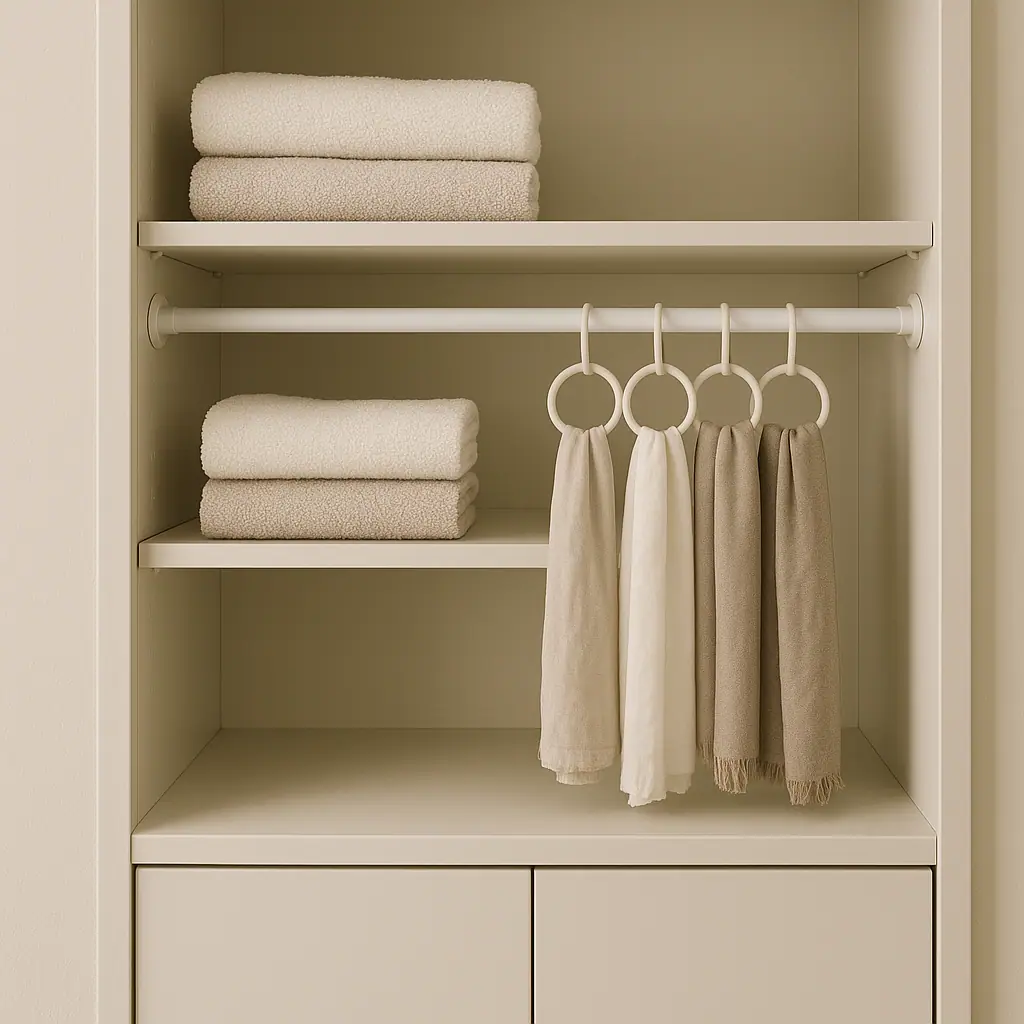
If you want vertical storage but the shelf feels risky, look at tension rod storage ideas for bathrooms, closets, and cabinets. Tension setups are not perfect either, but they can be better for light hidden zones where a cart is too bulky and a shelf is too permanent.
Frequently Asked Questions
What should I check first when comparing a rolling cart and a wall shelf?
Check the load first. If the items are heavy, breakable, wet, or used every day, a rolling cart is usually the safer renter-friendly starting point.
How often should I review the setup?
Review it after one week of normal use, then during routine cleaning. For a cart, check clutter and wheel clearance. For a shelf, check shifting, marks, sagging, or loose hardware.
What should I do if I am not sure my lease allows a shelf?
Do not guess. Read the lease, check property rules, and ask the landlord or property manager before mounting or using adhesive products that could affect paint or trim.
Can I undo either choice later?
A rolling cart is usually easy to remove or repurpose. A wall shelf depends on the mounting method, surface, and removal process, so plan the undo step before installing it.
Final Thoughts
For many renters, a rolling cart is the better first choice because it is reversible, movable, and more forgiving with everyday storage. It works especially well when the items are heavier, used often, or likely to move between rooms.
A wall shelf can still be the better choice for light display, tight floor plans, and low-contact items when the wall, product instructions, and lease all support it. Choose the option that leaves the room easier to use and easier to undo.