Tension rod storage ideas for bathrooms, closets, and cabinets can solve small-space problems without screws, anchors, or permanent hardware. A simple spring rod can hold light towels, cleaning cloths, scarves, spray bottles, rolls of paper, or small hanging baskets when the opening, surface, and load make sense.
The careful part is knowing where a tension rod is useful and where it is asking too much. Renters should treat a rod as a light-duty helper, not a hidden shelf bracket. The best setups are easy to remove, easy to inspect, and light enough that the rod does not bow, slip, mark paint, or make a cabinet harder to use.
Why This Matters
Bathrooms, closets, and cabinets often have narrow gaps that are not deep enough for shelves but are perfect for a small rod. Under a sink, a rod can lift spray bottles off the cabinet floor. In a closet, it can create a short row for scarves or belts. In a bathroom, it can hold a light curtain, washcloths, or small hanging organizers if the surface stays dry enough and the load remains modest.
This matters because no-drill does not automatically mean no-risk. A slipping rod can spill cleaning products, chip paint, dent trim, or drop items into a sink or toilet. The goal is not to use tension rods everywhere. The goal is to use them where they solve one small storage problem cleanly.
Start With Lightweight Storage and Organization
Before choosing a rod, decide what the storage job is. Tension rods work best when the items are light, flexible, and not dangerous if they fall. They are less suitable for heavy bottles, glass containers, tools, breakable decor, or anything that would create a mess or safety issue.
Good jobs for a tension rod
- Bathroom linen zone: hang a few washcloths, a light hand towel, or a slim fabric pouch away from standing water.
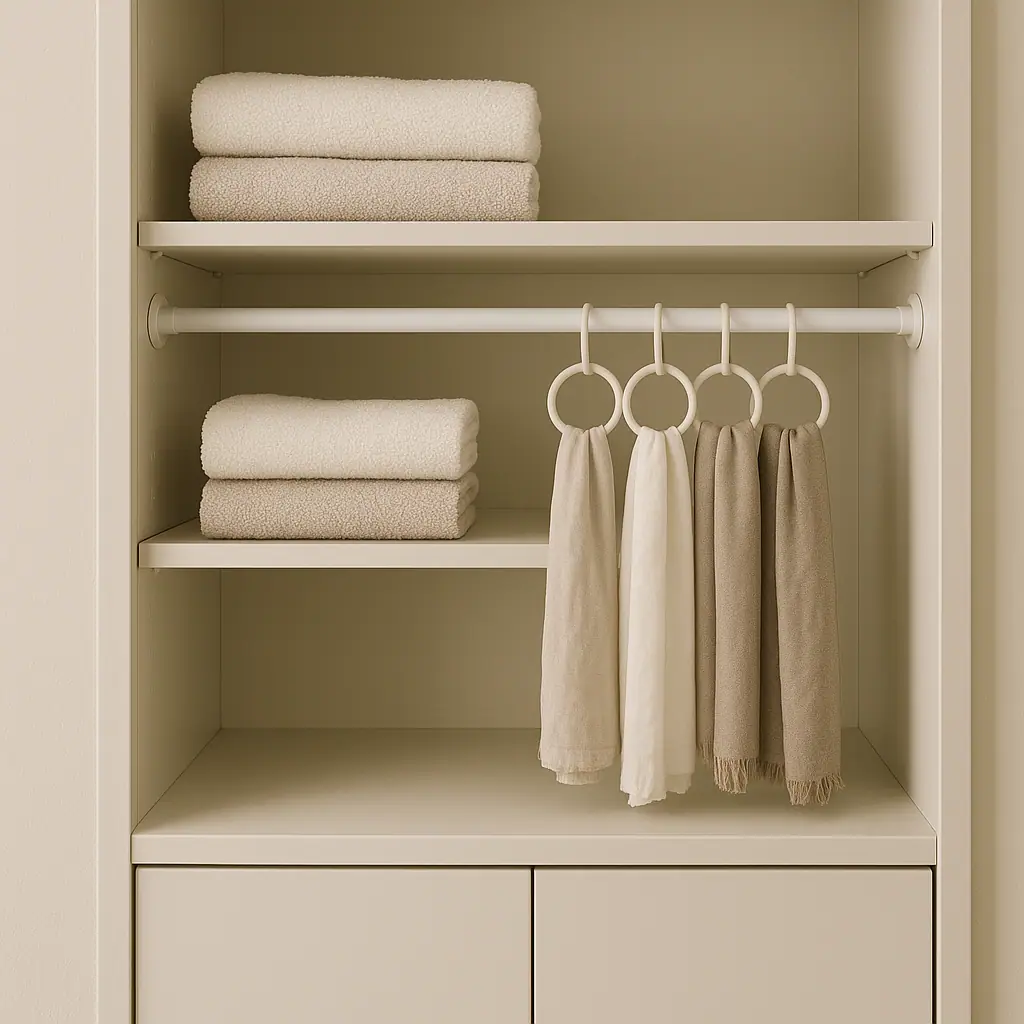
- Closet accessory row: organize scarves, belts, baseball caps, or empty tote bags on S-hooks or curtain rings.
- Under-sink spray bottle rail: hang only bottles with secure trigger handles, and keep heavier products on the cabinet floor.
- Cabinet divider: hold pot lids, cutting boards, baking sheets, or trays upright when the rod is used as a gentle separator, not a load-bearing shelf.
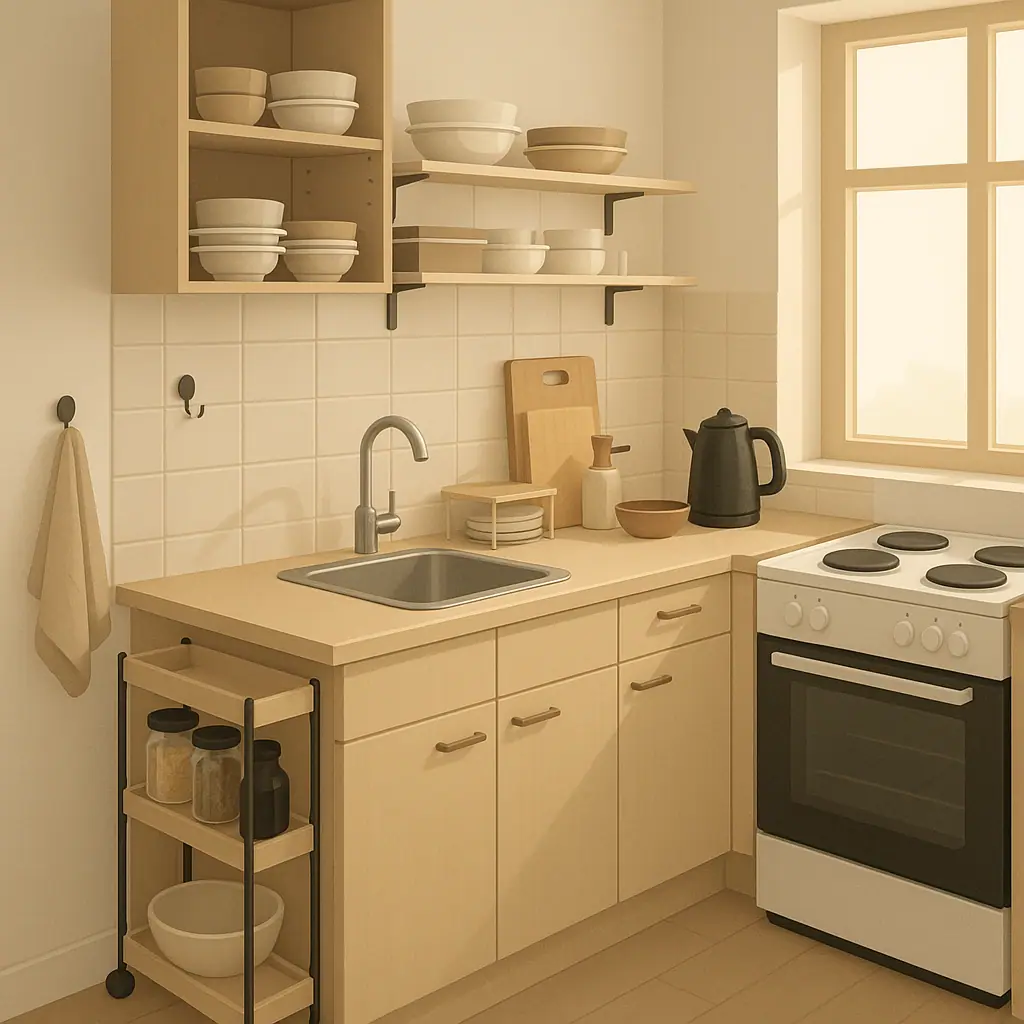
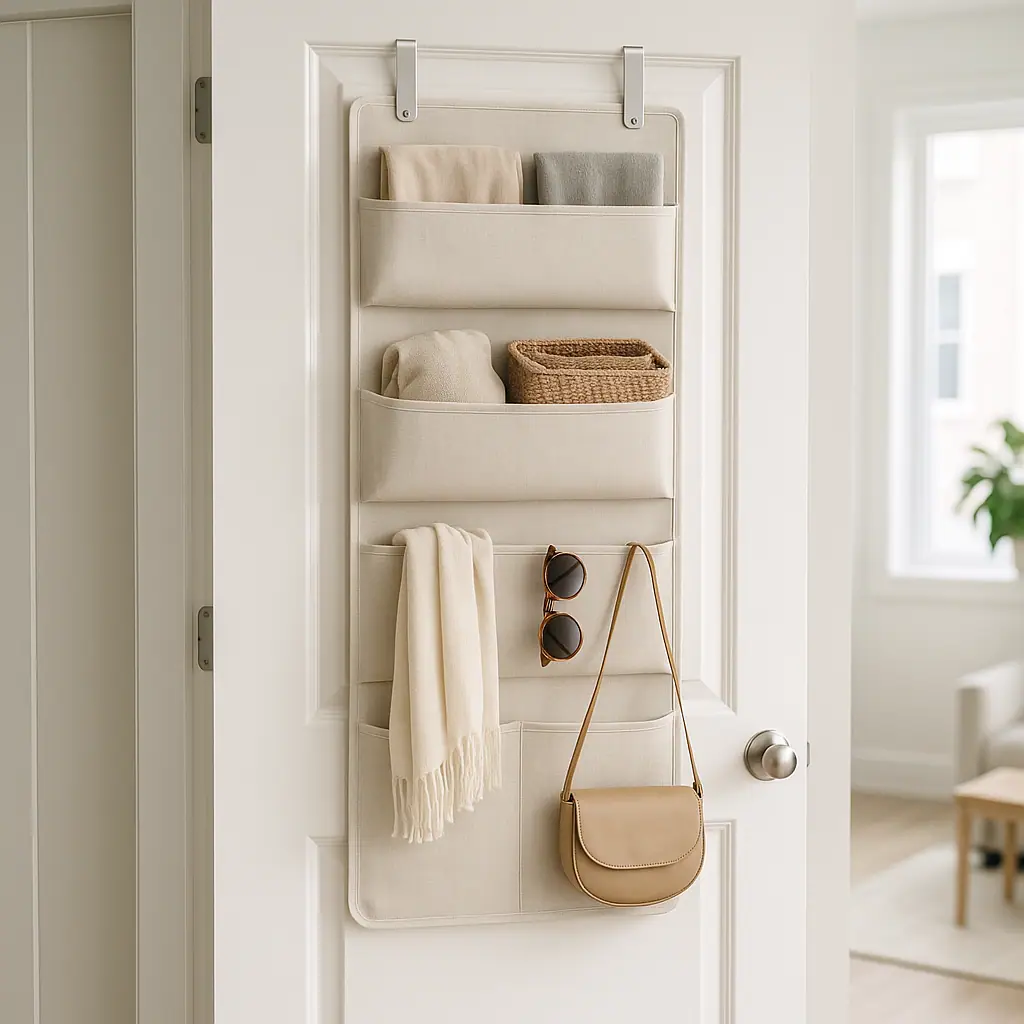
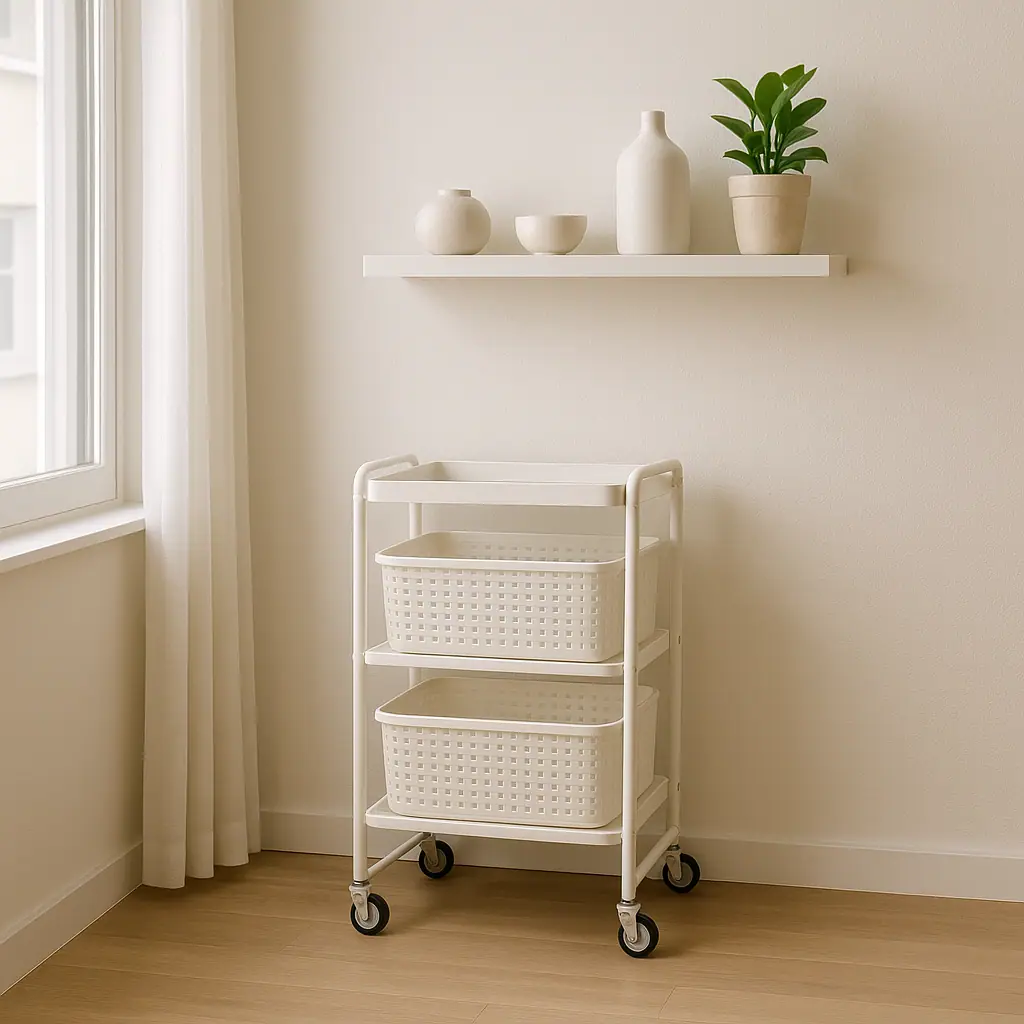
For other no-drill storage options that do not rely on wall pressure, compare this with no-drill kitchen storage ideas for small apartments. A freestanding cart, drawer bin, or over-door organizer may be calmer when the opening is shallow or the items are heavy.
What to Check First for Tension Rod Storage Ideas for Bathrooms, Closets, and Cabinets
Measure the opening before buying anything. You need the inside width, the available depth, and the height where the rod will sit. Then check what the rod ends will press against. Smooth tile, painted cabinet sides, drywall returns, laminate, and closet trim all behave differently.
If you plan to combine a tension rod with adhesive clips, cable guides, or small removable hooks, verify the product instructions first. Command's current hook guidance reminds users to check weight limits, approved surfaces, painting wait times, and removal steps before relying on adhesive accessories. Their instructions are available in the Command indoor and outdoor hooks guide.
That manufacturer guidance is not a blanket approval for every surface or every renter. It is a reminder to use the exact product directions, especially when adhesives, painted surfaces, bathrooms, or weight ratings are involved.
Check the rental side too
Lease rules can matter even for removable upgrades. Some rentals restrict adhesive products, pressure-mounted fixtures, bathroom additions, or anything that may affect paint and trim. For broad housing and tenant-resource direction in the United States, USA.gov's housing help page points readers toward rental and tenant-rights resources. Your lease and property manager still control what is allowed in your home.
How to Handle Tension Rod Storage Ideas for Bathrooms, Closets, and Cabinets Step by Step
Use the same method for every location: measure, test, load lightly, and inspect after normal use. A tension rod that feels stable for ten seconds can still slip after a humid shower, a cabinet door slam, or a week of daily use.
Step 1: Choose the smallest useful span
Shorter rods are usually easier to control than long rods. In a cabinet, place the rod across a narrow section instead of stretching it across the entire cabinet if you only need to hang two spray bottles. In a closet, a short accessory zone often looks neater than a long crowded row.
Step 2: Clean and dry contact points
Wipe the two pressure points with a gentle cleaner suitable for that surface, then let them dry. Avoid placing a rod against dusty trim, damp tile, greasy cabinet walls, or peeling paint. If the surface is delicate, test in a less visible spot first.
Step 3: Install with firm, even pressure
Set the rod level and tighten it until it feels secure, without forcing it so hard that the ends dent the surface. If the rod needs extreme pressure to stay up, the opening or load may be wrong for this method.
Step 4: Add weight slowly
Start with one or two lightweight items. Open and close the cabinet or closet door several times. In a bathroom, let the room go through a normal shower cycle before trusting the setup. If the rod shifts, bows, rotates, or squeaks, remove weight.
Step 5: Recheck after one week
Look for sliding marks, pressure dents, moisture, rust, sagging, or items that made the space harder to use. A tension rod setup should make the area easier to manage, not more fussy.
Bathroom, Closet, and Cabinet Ideas That Usually Work Best
Use tension rods where they create a small, controlled zone. The cleaner the job, the better the result looks.
Bathroom ideas
- Inside a linen niche: hang washcloths or small fabric bins away from direct shower spray.
- Under the sink: create a light spray-bottle rail while keeping heavy cleaners on the base of the cabinet.
- Beside a vanity: use a short rod for a lightweight hand towel only when both sides are strong and dry.
Closet ideas
- Accessory rail: use S-hooks or rings for scarves, belts, hats, or empty reusable bags.
- Vertical divider: place rods front-to-back to separate clutches, folded bags, or slim accessories.
- Seasonal staging: use a temporary rod for tomorrow's outfit or items waiting to be repaired.
Cabinet ideas
- Tray divider: set rods vertically or horizontally to keep cutting boards and baking sheets upright.
- Wrap holder: create a shallow rail for plastic wrap, foil, or parchment boxes if the cabinet closes normally.
- Cleaning caddy backup: use the rod for a few trigger bottles, then keep backup supplies on a stable shelf.
If your main problem is a closet rather than a cabinet, this pairs well with over-the-door organizers that look neat instead of temporary. Over-door storage can be better for visible, frequently used items, while tension rods are strongest in hidden or narrow zones.
Common Lightweight Storage and Organization Mistakes to Avoid
The biggest mistake is treating the rod's package claim as the only rule. Weight ratings depend on the rod, span, surface, installation, and daily use. A rod that holds on rough painted wood may behave differently on slick tile or laminate.
- Using one long rod for everything: a shorter focused span is usually neater and more stable.
- Loading glass or heavy bottles: keep breakable and heavy items on a shelf, floor, or cart.
- Ignoring humidity: bathrooms can make surfaces slippery and hardware more prone to rust.
- Forcing pressure: too much pressure can dent trim, cabinet sides, or soft painted surfaces.
- Skipping the recheck: inspect after a week instead of assuming the first install was final.
A Simple Checklist
Before relying on any tension rod storage idea, run through this quick list:
- Opening: the rod fits within its adjustable range without being maxed out.
- Surface: both sides are clean, dry, solid, and not peeling or soft.
- Load: items are light, flexible, and not risky if they fall.
- Clearance: doors, drawers, hinges, pipes, and stored items still move normally.
- Moisture: bathroom setups are kept away from direct water and checked for rust or slipping.
- Removal: you can take the rod down without scraping, tearing paint, or leaving pressure marks.
- Lease comfort: the setup does not conflict with property rules or move-out expectations.
Pros and Cons
Adds storage without holes
Tension rods can create small storage zones without screws, anchors, or permanent brackets.
Works in hidden spaces
Cabinets, closets, and vanity areas are good places for simple rods because the setup can stay practical instead of decorative.
Easy to adjust later
If the first height or location feels awkward, many rods can be moved after checking the surface again.
Not reliable for heavy storage
A tension rod is a light-duty helper, not a substitute for a mounted shelf or sturdy freestanding unit.
Can slip or mark surfaces
Slick, damp, weak, or painted surfaces can make the rod less stable and may show pressure marks over time.
When to Get Extra Help
Ask your landlord, property manager, or maintenance contact before using tension rods on fragile trim, old paint, damaged cabinets, glass panels, unusually thin surfaces, or anything that already feels loose. It is also worth asking if the rod would sit near plumbing, electrical cords, or a high-traffic doorway.
If a rod falls more than once, do not keep tightening it in the same spot. Choose a lighter load, a shorter rod, a different surface, or a storage method that sits on the floor. For some spaces, a drawer bin or rolling cart is the more reliable no-drill answer.
Frequently Asked Questions
What should I check first for tension rod storage?
Measure the opening and check both contact surfaces. The rod should fit comfortably, press against solid dry surfaces, and hold only lightweight items.
How often should I review a tension rod setup?
Check it after the first week, then during normal cleaning. In bathrooms or under sinks, inspect more often for moisture, slipping, rust, or pressure marks.
What should I do if I am not sure the rod can hold the items?
Choose the lighter setup or use a freestanding storage option. If the items are heavy, breakable, valuable, or messy, a tension rod is usually not the safest choice.
Can I undo tension rod storage later?
Usually, yes. Remove the rod slowly, clean the contact points gently, and check for pressure marks. If the surface is delicate, test a hidden area before reinstalling elsewhere.
Final Thoughts
Tension rod storage ideas for bathrooms, closets, and cabinets are best when they solve one light-duty problem at a time. Use them for narrow openings, soft items, small accessories, and hidden spaces where a little extra organization makes daily life easier.
Measure first, keep the load modest, respect moisture and surface limits, and check the setup after normal use. If the rod stays level, the space works better, and removal still looks simple, you have found a renter-friendly upgrade worth keeping.