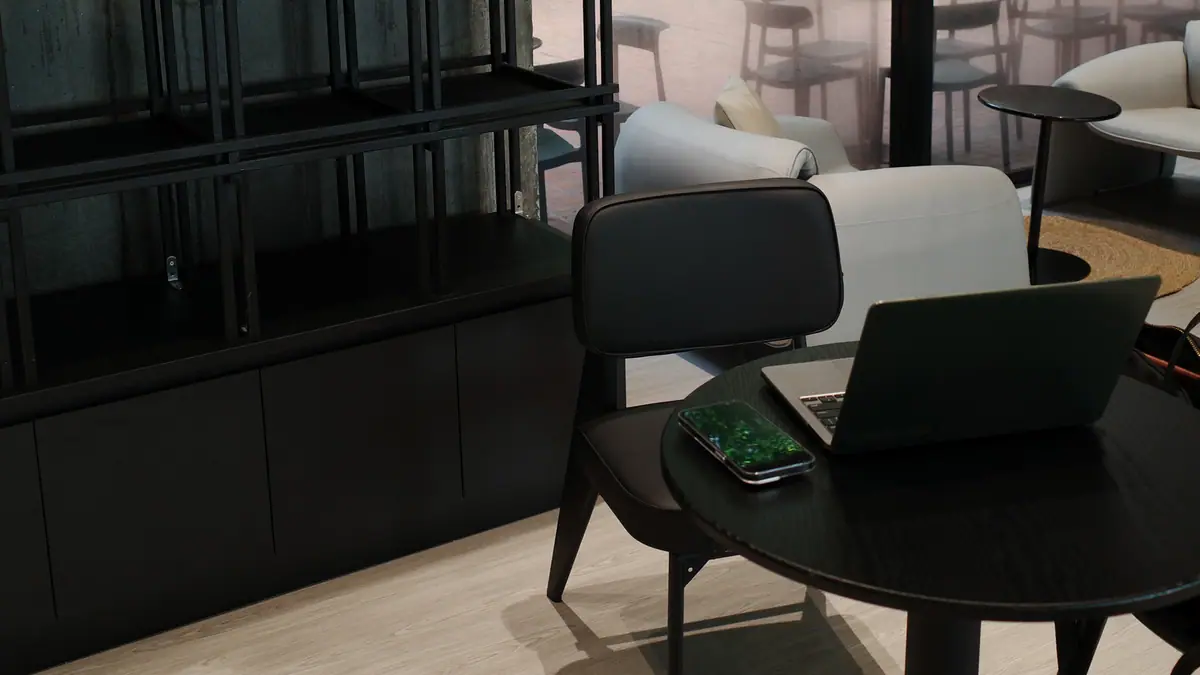
No-drill home office ideas for apartment desks and small corners work best when the setup solves a real daily problem without asking the wall to do too much. A small office corner usually needs three things: a clear work surface, reachable supplies, and lighting that makes the desk feel intentional. None of those requires drilling if you plan around weight, surface limits, cords, and move-out.
The goal is not to copy a built-in office. It is to make a renter-friendly work zone that feels steady during the day and easy to undo later. Start with the desk you already have, then add storage, light, cable control, and a few visual anchors only where they make sense.
Why This Matters
Apartment home offices often happen in leftover spaces: a bedroom corner, a living room wall, a hallway nook, or the end of a dining table. When the space is tight, every shortcut is tempting. Heavy adhesive shelves, crowded wall grids, and cord paths across the floor can look useful at first but become frustrating after a week of real work.
Think of the corner as a small system. The desk handles work, the floor handles weight, the wall handles only light decor or approved small accessories, and the removal plan protects your deposit. That split keeps no-drill choices practical instead of risky.
Start With the Desk Zone
Before adding organizers, decide what the desk must support every day. A laptop-only desk has different needs from a monitor setup, craft table, gaming corner, or paperwork station. Write down the items that must stay within arm's reach and the items that can live nearby instead of on the wall.
Keep daily items on stable surfaces
Use the desktop, a rolling cart, a small drawer unit, or a freestanding shelf for anything you grab often. Pens, chargers, notebooks, headphones, and mail are daily-use items. They get bumped, dragged, and rearranged, so a stable surface is usually safer than a small adhesive hook.
Use height without making the wall carry weight
A desk hutch, clamp-on shelf, slim bookcase, monitor stand, or tiered desktop organizer can add vertical storage without drilling. If you need more planning help before buying, measure the wall, desk, chair clearance, outlet position, and walking path first. The same measuring habit from measuring walls and furniture before renter-friendly upgrades applies here.
What to Check First for No-Drill Home Office Ideas
Check the lease or resident guide before attaching anything to a wall, trim, cabinet, or window frame. Some buildings allow removable products in general but still restrict adhesive, window treatments, cord covers, or changes near electrical outlets. If the rule is unclear, ask before installing.
Next, check the product instructions instead of relying on the phrase removable. Command's official hook and caddy instructions include details such as cleaning with rubbing alcohol, waiting before use, avoiding certain surfaces, respecting weight limits, and pulling strips down slowly during removal. Those steps are especially important in a home office because small accessories can become heavier over time.
Check the surface, not just the product
Smooth painted drywall, tile, glass, laminate, sealed wood, textured walls, dusty paint, and old plaster behave differently. If a surface is peeling, chalky, damp, freshly painted, heavily textured, or already damaged, do not treat it as a good adhesive location.
Check heat and cord paths
Office corners often include lamps, chargers, monitors, power strips, routers, and extension cords. Keep cords visible enough to inspect, away from chair wheels, and out of walkways. Do not trap cords under rugs, squeeze them behind furniture, or hang powered items from adhesive products unless the product is made for that use.
How to Handle Apartment Desks and Small Corners Step by Step
Use this sequence to build a small office that feels planned without drilling.
Step 1: Clear one work rectangle
Choose the part of the desk that must stay open for work. Keep that rectangle clear before adding decor. If the desk is narrow, move supplies to a tray, drawer, rolling cart, or vertical desktop stand rather than spreading everything across the surface.
Step 2: Add one freestanding storage layer
Pick one storage piece that does not depend on the wall: a slim cart, small cabinet, under-desk drawer, desktop riser, or bookcase. The right piece should fit your chair movement and still let you reach outlets. For a broader supply list, the beginner no-drill toolkit is a helpful reference for small renter-safe materials.
Step 3: Use clamp-on accessories carefully
Clamp-on lamps, headphone holders, monitor arms, and cable trays can be useful because they attach to furniture instead of walls. Check the desk thickness, edge shape, weight rating, and whether the clamp pads could mark the finish. Add felt pads only if they do not make the clamp unstable.
Step 4: Keep wall contact lightweight
If you want the corner to feel more finished, use lightweight art, a small calendar, or a removable pin board only after checking the surface and instructions. Avoid heavy shelves above the desk, especially above a monitor or laptop. A framed print leaning on a shelf or desk can give the same visual anchor with less wall risk.
Step 5: Improve lighting without rewiring
A clamp lamp, floor lamp, or small table lamp usually solves more than decorative wall lighting. Place the light so it does not glare on the screen or crowd the writing hand. If the cord path is awkward, move the lamp before adding cord covers.
Step 6: Do a one-week review
After working in the corner for a week, check what keeps moving. If headphones land on the chair, add a desk hook. If papers pile up, add one tray. If cables slip, add a removable cable clip on the furniture, not automatically on the wall. Let real use decide the next change.
Common Renter-Friendly Room Refreshes Mistakes to Avoid
The biggest mistake is treating a small office like a tiny version of a permanent built-in. Wall-mounted cabinets, heavy floating shelves, pegboards filled with supplies, and adhesive bins full of electronics may look efficient online, but they can exceed what a renter-friendly setup should ask from the wall.
- Overloading adhesive hooks: office items collect extra weight as chargers, keys, badges, and headphones get added.
- Ignoring chair movement: a rolling chair can hit carts, cords, baskets, and low shelves several times a day.
- Using the wall as storage first: try desktop, under-desk, freestanding, and clamp-on options before attaching supplies to paint.
- Skipping removal planning: save product packaging and take a quick photo of installed items so you know what to undo later.
- Making the corner too decorative: a small office needs calm reach zones more than another layer of visual clutter.
Pros and Cons
Works in awkward apartments
A freestanding, clamp-on, and desktop-first setup can fit bedrooms, living rooms, dorms, studio corners, and shared spaces.
Protects walls and move-out plans
Keeping weight on furniture and the floor reduces the number of adhesive points you need to remove later.
Easy to adjust after real use
You can move carts, trays, lamps, and desk organizers as your routine changes without patching holes or repainting.
Less built-in appearance
No-drill choices may look lighter and more flexible than custom cabinetry or permanent shelving.
Requires honest weight checks
Even small office accessories can become risky if they are overloaded, pulled daily, or installed on a weak surface.
A Simple Checklist
Use this checklist before changing your office corner:
- Desk: is there one clear rectangle for actual work?
- Chair: can the chair move without hitting storage, cords, or wall decor?
- Surface: is any adhesive location clean, dry, smooth, stable, and approved by the product instructions?
- Weight: is the loaded item lighter than the rating with a margin for bumps and daily use?
- Cords: are power cords visible, unpinched, and away from wheels and walkways?
- Move-out: do you know how each item will be removed slowly and cleanly?
When to Get Extra Help
Get extra help before mounting anything expensive, powered, heavy, or hard to replace. Ask the property manager if the lease wording is vague, and contact the manufacturer if you are unsure about a surface, wait time, or removal method. For renters in subsidized or managed housing, official housing resources such as USAGov rental housing information can point readers toward broader housing help, but your actual lease and local rules still control what is allowed in your unit.
Also pause if the wall already has damage. Bubbling paint, old adhesive residue, soft drywall paper, cracked plaster, or loose trim should be photographed and reported when appropriate, not covered with another organizer.
Frequently Asked Questions
What should I check first in a no-drill home office corner?
Check the lease, then the desk layout, chair movement, outlet location, and wall surface. If a freestanding or clamp-on option solves the same problem, start there.
How often should I review a renter-friendly desk setup?
Review it after the first week, then about once a month. Look for sagging adhesive, crowded cords, overloaded hooks, wobbly carts, or supplies drifting back onto the work surface.
What should I do if I am not sure a product is allowed?
Do not install it yet. Read the lease, check the product instructions, and ask the property manager when the rule affects walls, windows, electrical areas, or built-in finishes.
Can I undo these home office changes later?
Many no-drill choices can be undone, especially freestanding and clamp-on pieces. Adhesive removal depends on the surface, installation time, room conditions, and whether you follow the instructions slowly.
Final Thoughts
No-drill home office ideas for apartment desks and small corners should make work easier without turning move-out into a repair project. Start with the desk, keep daily items on stable surfaces, use walls lightly, and let your first week of use show what actually needs adjusting.
A small office does not need permanent hardware to feel useful. It needs clear zones, honest limits, safe cord paths, and a removal plan that you understand before anything goes up.